
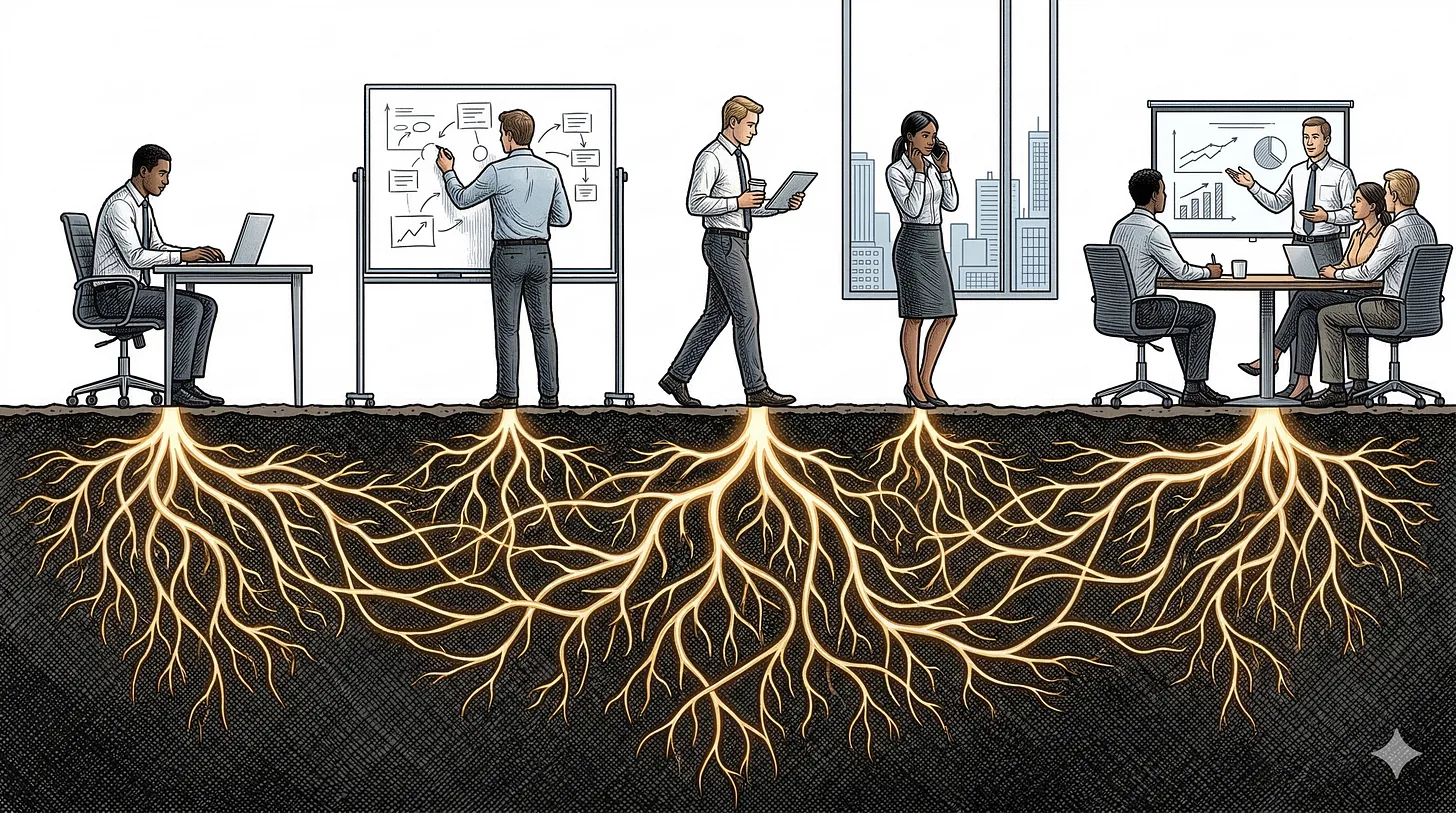
Three MIT economists, including Nobel laureate Daron Acemoglu, just published a paper through the Brookings Institution arguing that the AI industry has a directional problem: most AI investment flows toward replacing human expertise, not expanding it. They call the alternative “pro-worker AI” and make the case that most AI investment is flowing in the wrong direction.
52% of U.S. workers worry about how AI will affect their jobs. Among workers who already use AI at work, 42% think it will reduce their future opportunities. Entry-level job postings are down 35% since 2023. The concern cuts across the entire workforce. And the research explains why: for most organizations, AI that cuts headcount is easier to justify than AI that makes people more capable. The cost of not investing in your people shows up later. It is still real. I think that is the other half of this problem, and I wrote about it in Cutting Managers Is the Easy Part.
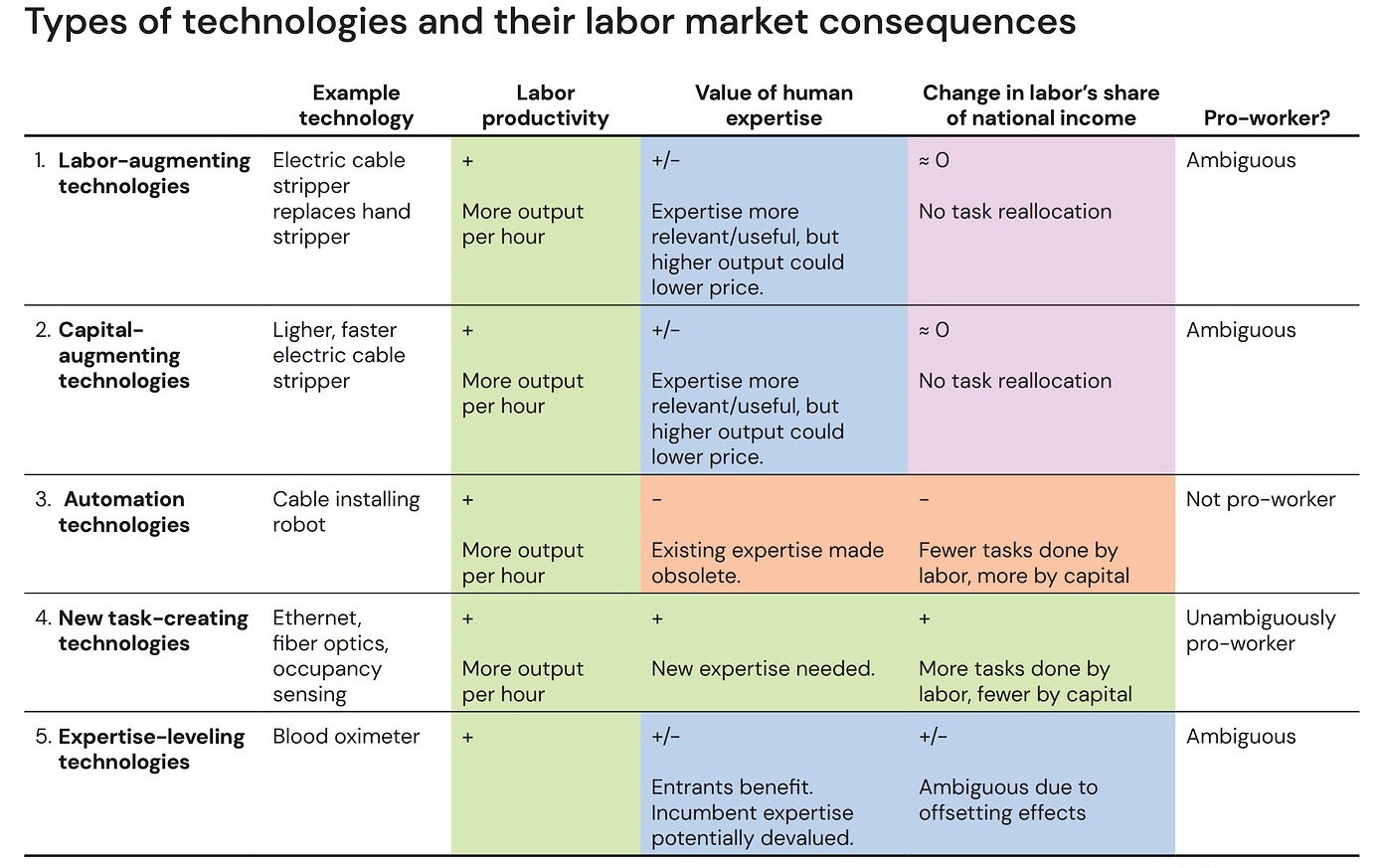
The Brookings paper defines categories of technological change brought by AI. Labor and capital-augmenting technologies make workers or machines faster at what they already do. Automation technologies replace tasks humans used to do. Expertise-leveling technologies let less experienced workers perform tasks that used to require deeper training, like Claude Code or Codex. All of these raise productivity, but none of them guarantee that workers end up better off. And none of them address what actually makes people effective at work.
Then there’s what the authors call “new task-creating technology,” the only category they describe as unambiguously pro-worker. It doesn’t automate existing expertise or redistribute it. It creates demand for expertise that didn’t exist before, that requires new knowledge and skills. That is the category we are building in.
Most AI research on work stops at productivity and task execution. The paper gets the direction right. But it defines “pro-worker” through the lens of tasks. More tasks, better tasks, new tasks. We think being pro-worker goes further than that. Not just what people produce. What people experience. The interpersonal friction, the self-management, the confidence to speak up, the judgment calls that no tool handles for you. That is the stuff that determines whether someone can actually do their best work in the first place.
Employees have always needed a trusted thought partner at work. Someone who helps them understand how things actually work in their organization, navigate interpersonal dynamics, build capabilities like emotional intelligence, judgment, and agency in the moments that matter, set meaningful goals and stay accountable, and develop the confidence to advocate for themselves. That work was always there. It was just distributed across managers, HR, mentors, and informal networks, all of them stretched, inconsistent, and increasingly getting cut from the org chart. The delivery system was never designed to scale.
That is why Tough Day works with organizations that understand the real opportunity is not replacing their people but making them stronger. They are hiring Tuffy, our AI Employee Success Partner. Tuffy is decidedly pro-worker. It prepares employees to do their best work by building self-awareness, self-reliance, stronger collaboration, and the agency to own their outcomes. It supports them in the things that create friction when they are executing their work, whether they are using AI tools or not: navigating interpersonal dynamics, building confidence before a hard conversation, processing feedback constructively, developing the judgment to self-manage.
The vendor ecosystem, the analyst reports, and the boardroom conversations all reinforce the automation direction. Most functional AI makes people faster at tasks they already do. That is valuable, but it is not enough.
The research confirms what we have been building toward: AI that is both functionally powerful and deeply human in what it develops.